Dinner
Tacos, steaks, seafood and sides from the dinner kitchen.

 LEÑA RESTAURANT
Fire from our heritage
×
LEÑA RESTAURANT
Leña’s fire, family and full table deserve a website that seats them as well as the dining room does. One clear front door for menus, hours, reservations and takeout.

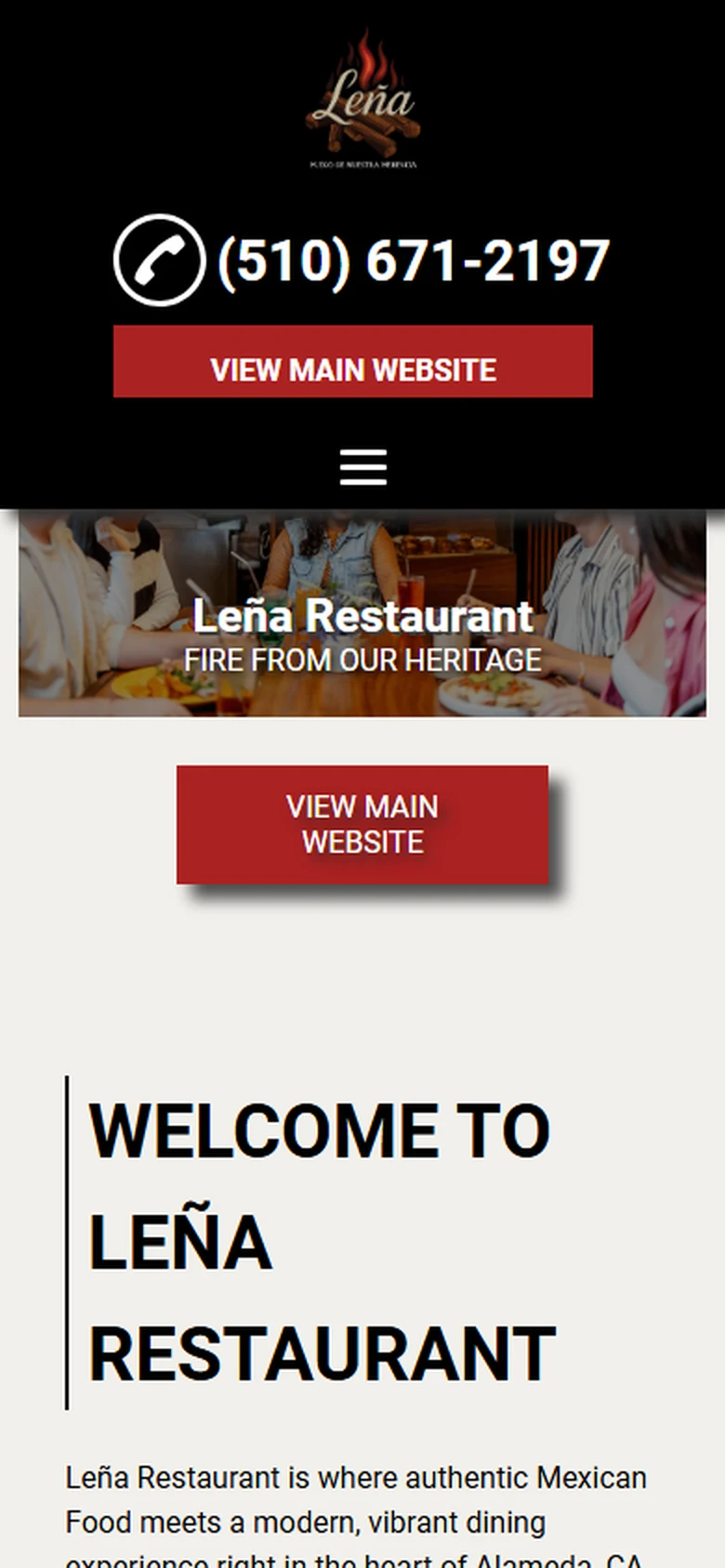
We reviewed the restaurant’s public site and the page it calls its “main website” on a phone, at 100% zoom. Five things send a hungry guest somewhere else before the first plate reaches the table.
 1
2
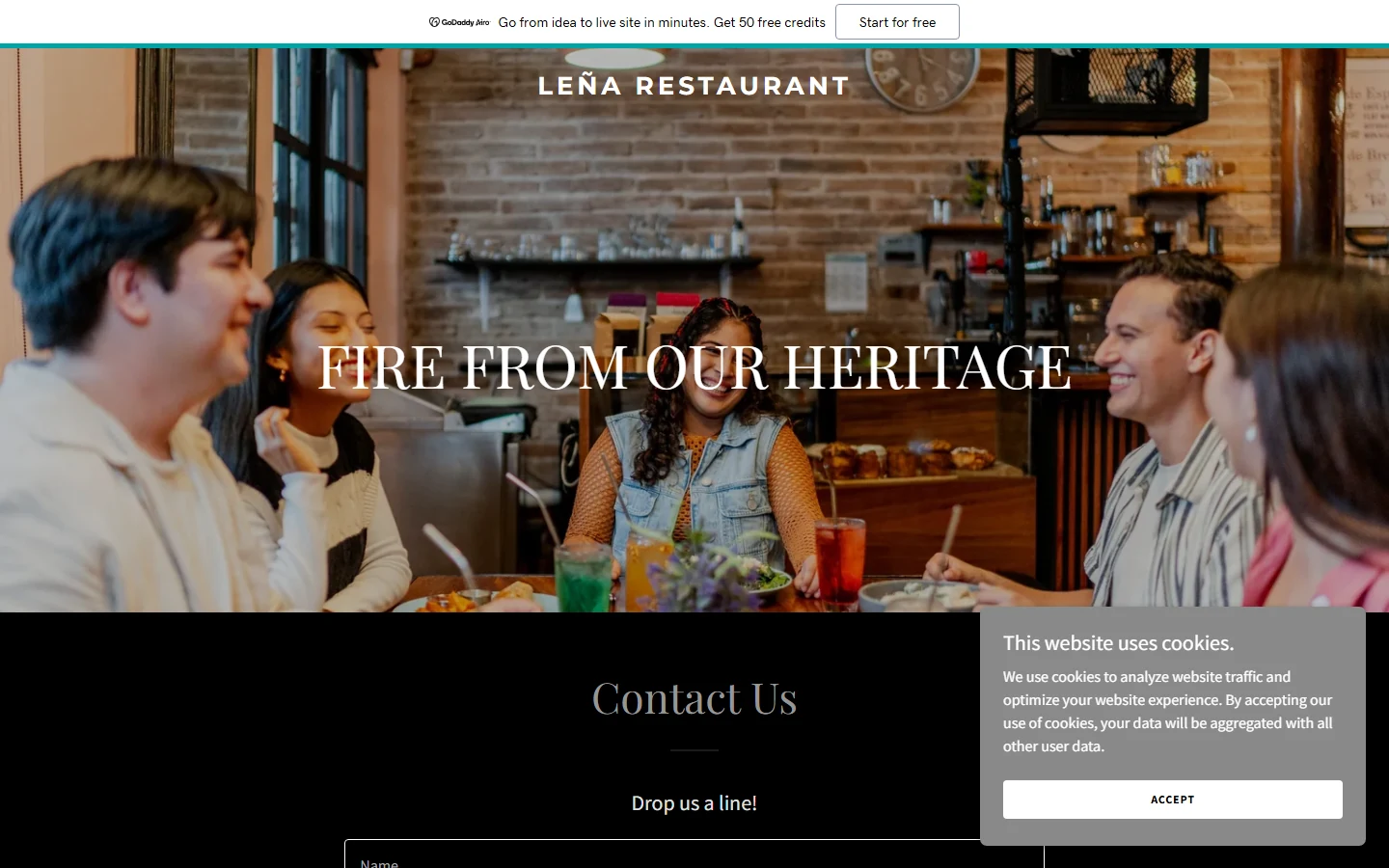
Two red “View Main Website” buttons point to http://www.lenaalameda.com — a different domain, on plain HTTP. The destination is a GoDaddy one-pager: ad, cookie wall, intro, contact form. No menus. No hours. No reservations.
The copy promises reservations and takeout. Across seven public pages: 0 reservation links, 0 ordering links. The only actions are a phone number and a contact form.
Source: href census · home, about, dinner, brunch, dessert, gallery, contactDinner, Brunch and Dessert total roughly 1,050 words of prose, with 0 item lists and 0 prices. A guest who wants to choose a dish has to call and ask.
Source: /dinner · /brunch · /dessertThe homepage references 16 PNGs totalling 9.15 MB; the hero image alone is 3.16 MB. On a phone on Central Avenue, the first impression is a loading screen.
Source: image Content-Length headers · 31 Oct 2026The contact page asks for image verification before a message can be sent, and the site publishes no email address. A dinner question should not feel like a security check. Also observed: the meta description repeats the restaurant name and the page title almost verbatim; Contact is titled “Seafood Restaurant.”
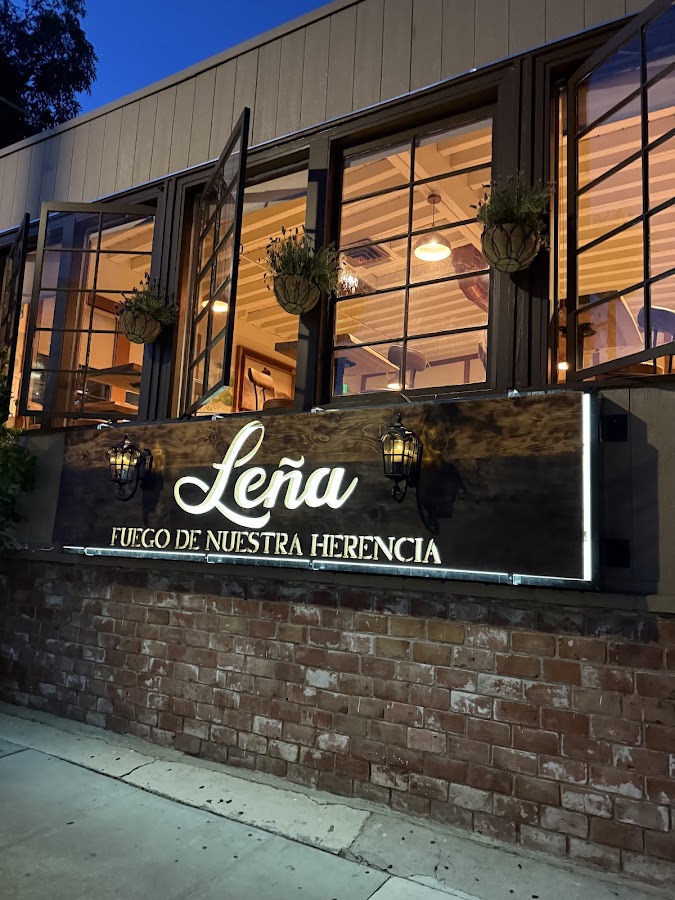
Source: /contact · HTML headA working concept built with Leña’s own logo, the original storefront photograph and published hours. Use the tabs, then open the readable detail view. Menus, a table request and takeout all live in one place.
Mexican food, steak, seafood and a full bar — cooked with fire, served with family warmth.
Three choices above the fold, all the way down to a phone. Your team keeps the final word on every request.
Catering and large parties: call the restaurant. Nothing on this concept is booked automatically.
Dinner, brunch, dessert and the bar in one scannable place.
Requests are prepared, never promised; the kitchen confirms.
The phone is the front door, not a shrunken desktop.
UFG Works asked for a clearer front door. This before/after shows the approach we would apply to Leña: hierarchy, a single next step and a system that holds at phone width.
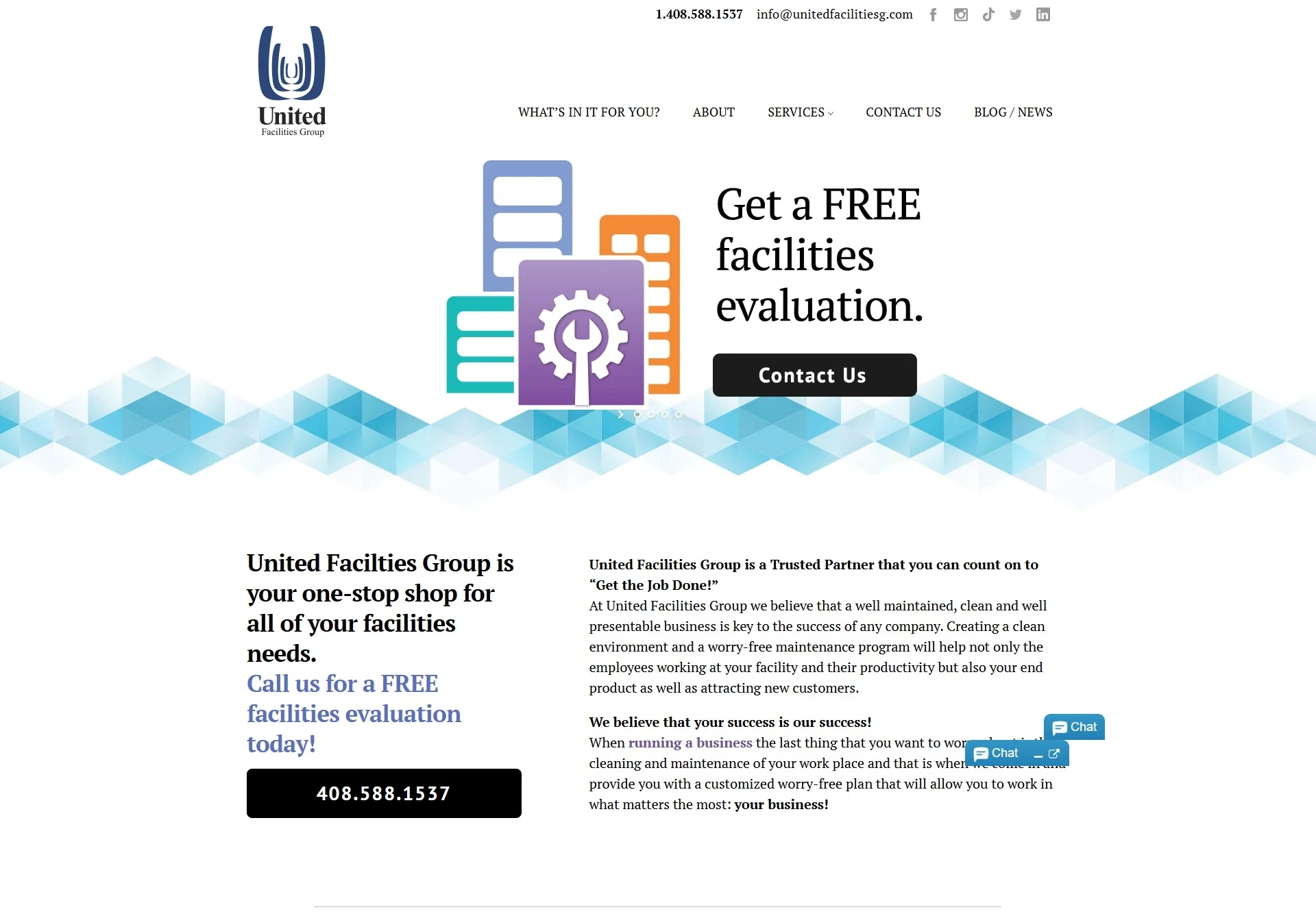
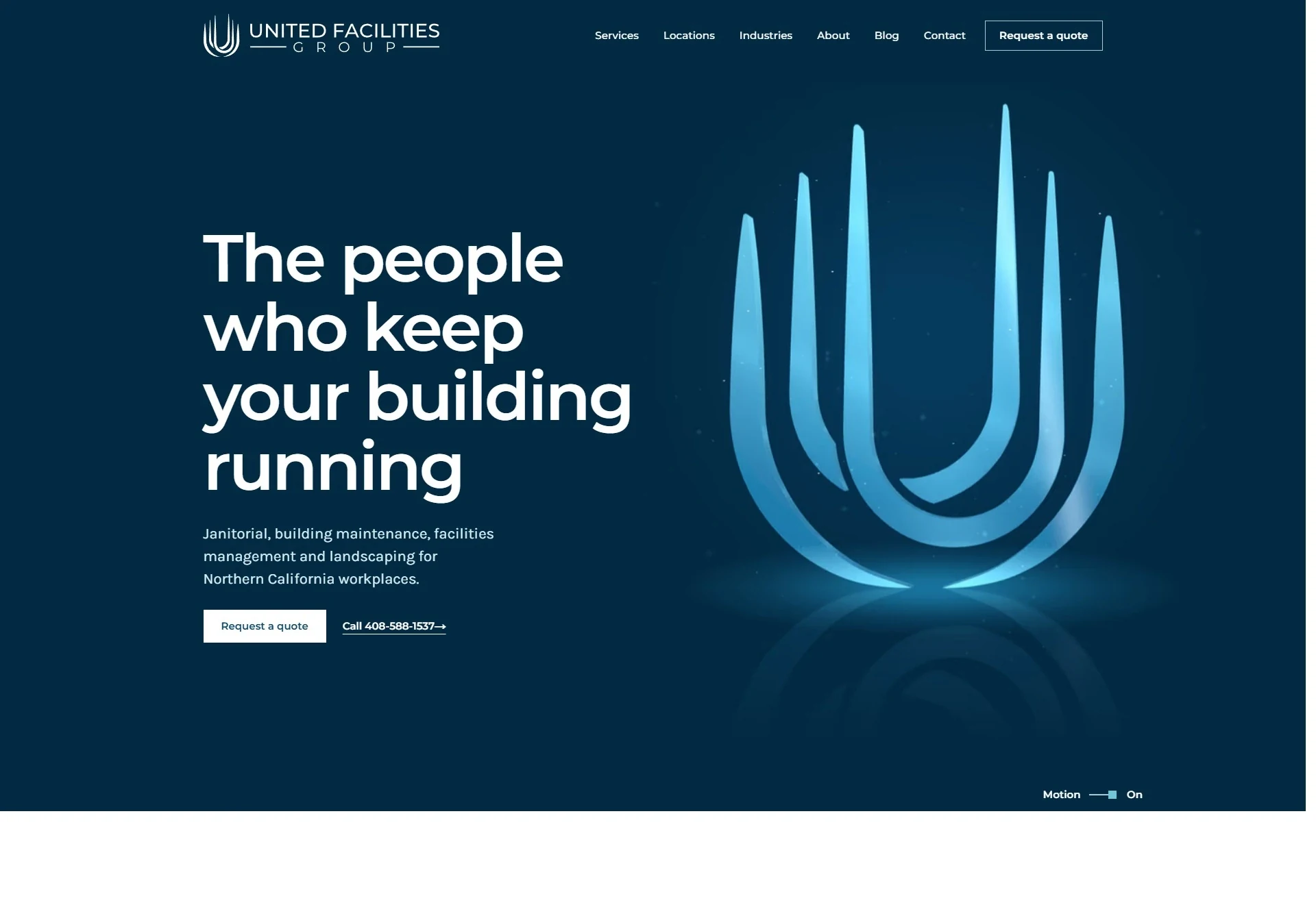
A visitor should know what the business does before deciding where to go.
Every link earns its place and points to a real next step.
Hierarchy and type survive the phone, not just the desktop.
Walk through what we found, open the concept on your phone, and decide what is worth doing first. No pressure, no obligation.
Brandcore.io · San Francisco Bay Area Sales SolutionsThe fire is already there. Let’s make the front door match.
Use a suggested slot or choose any weekday. This prepares an unsent email to Luis — nothing is booked.
Requested times are subject to confirmation. No appointment is booked.